
And Why You Don’t Have To Be!
It is not surprising how much we depend on our smartphones. They wake us up, guide our days, and keep us connected to everything that matters. Yet, for all their usefulness, one small red icon can trigger instant panic, the dreaded 5% battery alert.
When that alert shows up, even the calmest person becomes anxious. It is not just the fear of a dead phone. It is the sudden feeling of being cut off from the digital world we rely on every day. You could be waiting for an important call or tracking directions to a new place.
Unfortunately, low battery anxiety isn’t a myth. It demonstrates how deeply mobile technology has become ingrained in our sense of comfort, control, and connection.
Is Low Battery Anxiety Real?
Smartphone power anxiety is not just a passing feeling of frustration. It is a genuine psychological response triggered by the fear of losing connection. According to a 2023 study by LG Electronics, nine out of ten smartphone users feel panic when their battery drops below 20 percent. Another survey in the US found that the average person begins to feel uneasy when their phone reaches 38 percent battery. These numbers demonstrate the profound impact our minds have in response to even the slightest hint of disconnection.
You’re probably wondering if low battery anxiety can affect you, too. The truth is, it shows up in subtle ways long before your phone switches off. Common signs include the following:
- Constantly checking your battery percentage
- Feeling uneasy when away from a charger
- Carrying multiple power banks “just in case”
- Avoiding phone use to save the last few percent
- Panicking when you forget your charging cable
These behaviors powerfully illustrate the significant control our devices exert over our emotions and routines. It’s not even about the power itself but about losing access to connection, comfort, and control.
Effects Of Low Battery Anxiety
Low battery anxiety comes with adverse effects that could affect your productivity and peace of mind. The more dependent we become on our phones, the more intense these effects can feel in everyday life.
Reduced Focus And Concentration
When your phone battery starts running low, your attention often drifts from the task at hand. Instead of focusing on work or study, your mind keeps jumping to how long the battery will last or where to find a charger.
This constant mental distraction lowers efficiency and increases the chance of mistakes. The simple act of worrying about power pulls your brain away from deeper thinking, cutting into productivity.
Increased Stress Levels
Stress levels are likely to rise the moment that red icon appears. The body reacts as if facing real danger. Heart rate increases, breathing changes, and a sense of urgency takes over. This is your body’s natural response to stress.
Over time, these small bursts of tension can build up. Even when the phone is charged, the pattern of worry remains, quietly feeding chronic stress.
Social Disconnection
A dying battery can trigger more than simple worry. Many people feel genuine anxiety about missing messages, calls, or updates. The fear of being out of touch with family, friends, work, or news creates social pressure that builds quickly. Even before the phone switches off, a sense of isolation begins to form.
In extreme cases, people avoid situations where charging isn’t possible, such as outdoor events, long commutes, or travel. This behavior limits social engagement and fosters an increased emotional dependence on technology. Instead of enjoying real conversations, attention shifts to power levels and signal strength, weakening genuine human connections.
Poor Decision-Making
Low battery anxiety pushes people into making quick, sometimes irrational choices. You may rush to complete tasks, skip steps, or cut conversations short just to conserve energy. The mind begins to prioritize urgency over logic, creating a subtle sense of panic that drives every move.
This constant sense of urgency changes how you plan and think. Instead of making calm, logical decisions, your focus narrows to the immediate problem of keeping the phone alive.
Decline In Overall Wellbeing
Low battery anxiety does not just affect your mood in the moment; it also impacts your overall well-being. The tension it creates lingers and can slowly influence your overall well-being. Many people find themselves constantly alert, checking their phones even when they are fully charged. This habit interrupts focus, rest, and emotional balance.
Over time, the mind associates being connected with being safe. When the phone is off or unavailable, feelings of unease or emptiness can appear. This dependency weakens your ability to relax and disconnect, resulting in fatigue, reduced sleep quality, and increased stress levels.
What To Do When Your Phone Is Low On Battery
The red alert does not need to send you into panic mode. With the right habits, you can stretch your remaining charge and stay connected with ease. Here are some tips to help you:
1. Activate Battery Saver Mode
This feature limits background activity and slows power use. It gives your phone more time to stay on when every percentage counts. Make it a reflex to switch it on as soon as your charge drops below 20 percent.
2. Reduce Screen Brightness
Your phone’s screen is the biggest power drain on your phone. Lowering brightness can instantly extend your remaining charge. It also makes it easier on your eyes when you are trying to save power.
3. Close Unused Apps
Many apps continue to run in the background even when you are not using them. Closing them frees up battery life and keeps your device running smoothly. It is a quick way to cut power waste.
4. Limit Connectivity Features
Turn off mobile data, Bluetooth, and GPS when they are not needed. These features constantly pull power, even in standby mode. Using them only when necessary helps preserve the charge for a longer period.
5. Keep A Backup Battery Charging Device Handy
Carrying a quality power bank removes the worry of running out of power on the go. It ensures you stay connected through long days, travel, or emergencies. A reliable backup can turn panic into peace of mind.
Wrap Up
Sometimes you do what you can to avoid the red alert, but it is never enough. You might have charged enough, but then worked on your phone too much, or you could have forgotten your charger. Either way, that uneasy feeling returns when the battery starts to drop, and the power search begins again.
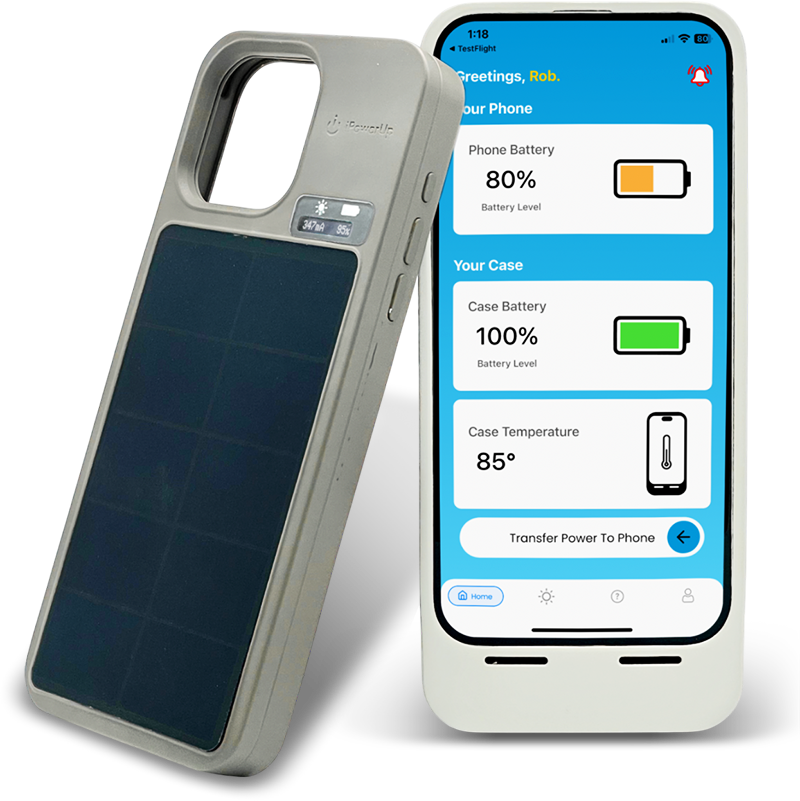
Luckily, iPowerUp is dedicated to ending that cycle of worry. The iPowerUp Smart Case is a solar-powered phone case built to keep your device charged wherever you go. It captures natural sunlight and converts it into clean, reliable energy, giving you power even when you are far from an outlet.
With the solar-powered iPowerUp Smart Case, you stay informed and prepared at all times. It works silently as you navigate your day, keeping your phone alive and your mind at ease. iPowerUp replaces panic with confidence, making low battery anxiety a thing of the past.
Hi, this is a comment.
To get started with moderating, editing, and deleting comments, please visit the Comments screen in the dashboard.
Commenter avatars come from Gravatar.